
Lingo Legend Language Learning
Hyperthought Games Inc.Education
4.81.79K Reviews
- Version
- 147
- Installs
- 100.00K
- Age Rating
- Everyone 10+
Screenshots
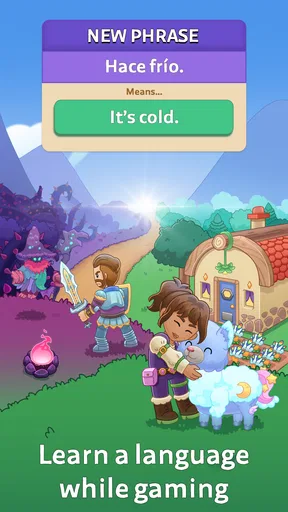

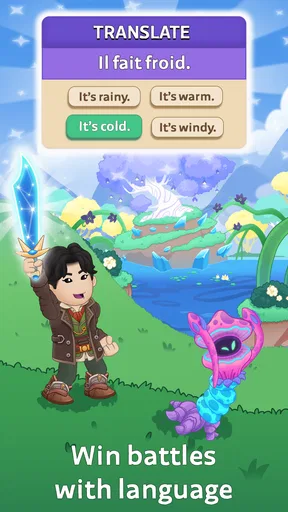
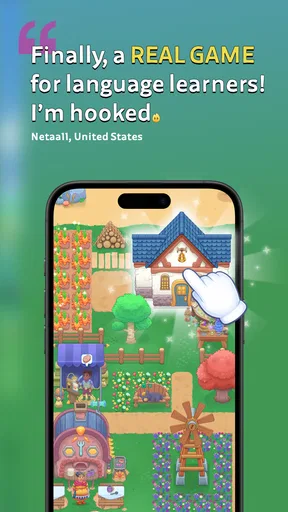
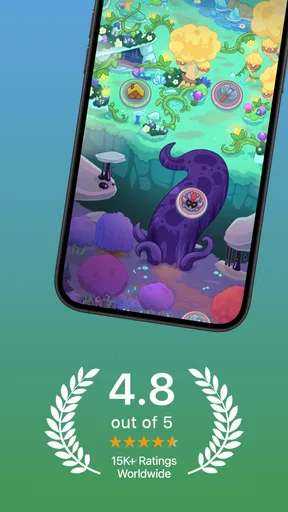
Our Review of Lingo Legend Language Learning
 Analysis by Appyee
I judge a language-learning app by more than whether its lessons keep me tapping. I also want to know what I can assess for myself, what choices I’m being asked to make, and whether the learning format suits the way I actually study. Lingo Legend Language Learning makes its central idea clear: practice is wrapped in a game rather than presented as a conventional course. That can make it easier to return for a short session, but it also means the game’s pace and presentation matter as much as the language content.
What a cautious first look can tell you
This is an education app from Hyperthought Games Inc., aimed at language learners who are open to a playful approach. It has a 4.7 average from around 9,100 ratings, with over 100,000 installs. Those figures suggest that many people have tried it and responded positively, but they can’t tell me whether its lessons match a particular learner’s goals. I’d treat them as useful context, not as a substitute for trying a session and deciding whether the format works for me.
The app is free to download, and its content rating is Everyone 10+. In-app purchases range from $4.99 to $149.99 per item, so I’d pay attention to any purchase prompt and check what an offer includes before committing. A free starting point is helpful, but it does not mean every option inside the app is free. My practical advice is to explore the learning experience at your own pace and make a purchase only when the terms and value are clear to you.
Choices worth checking as you play
When I try an app that mixes learning and entertainment, I make a point of noticing the decisions it puts in front of me rather than assuming how it handles them. I’d look at which language I’m choosing, what learning activity I’m starting, and whether an optional purchase or social interaction is being presented. Those moments are where a user can make an informed choice about how to spend time and money. If a screen is unclear, I’d pause and read it instead of tapping through just to keep the game moving.
Privacy is another area where I prefer to rely on visible choices and clear explanations, not guesses. Before joining a community or connecting with other learners, I’d inspect the options shown in the app and decide whether that part of the experience is useful to me. The same goes for any account-related prompt: read what the app asks you to do, then choose only what you’re comfortable with. I wouldn’t treat a cheerful game style as a reason to skip those checks.
Keeping the experience on your terms
A game can encourage regular practice, yet a streak or challenge should serve your learning rather than turn a missed day into a source of pressure. I’d use short sessions when they fit my routine and take breaks when they don’t. If the competition or community side isn’t for me, I can focus on the language activities that feel worthwhile and avoid treating every social feature as essential. That kind of selectiveness is especially useful for younger learners or anyone sharing a device, where it helps to agree on spending and social choices before starting.
The app was released on November 28, 2022, and its current version is 131. It requires Android 7.0 or later. I’d check that my device meets the requirement before installing, then judge the current experience for myself rather than assuming that an older release date means the app is either outdated or unchanged. The developer is Hyperthought Games Inc.; that gives me a clear name to associate with the product, while my actual trust decision still depends on the choices and explanations I can see when using it.
Getting to Know Lingo Legend
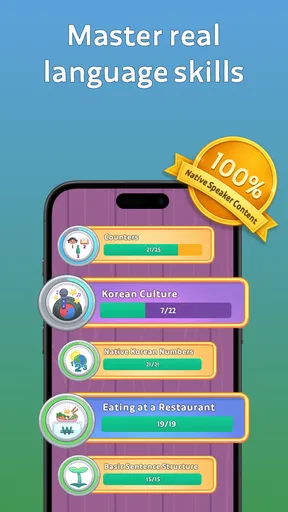
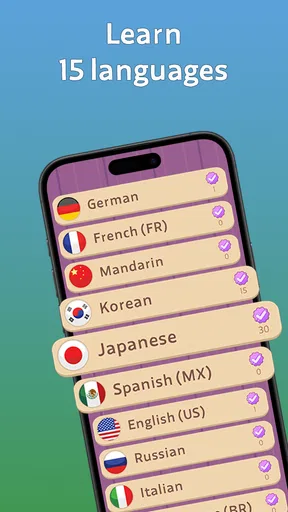
First things first, let’s talk about the app’s layout. When you open Lingo Legend Language Learning, you’re greeted with a sleek and colorful interface that’s super easy to navigate. It’s like stepping into a vibrant world where learning doesn’t feel like a chore. The app offers a variety of languages, from Spanish and French to more exotic ones like Japanese and Korean. So, whatever your language goals are, there’s likely something here for you.
The Gameplay Experience
What sets Lingo Legend apart is its unique approach to learning. Instead of boring drills and endless lists of vocabulary, it immerses you in a game. Think of it as an RPG where you’re the hero embarking on a linguistic quest. You complete missions, tackle challenges, and interact with characters—all while picking up new words and phrases. It’s a pretty neat way to keep you hooked and motivated.
The app uses an engaging storyline to keep you interested. You’re not just memorizing words; you’re using them in context, which is a fantastic way to actually retain what you learn. Plus, there’s a competitive element where you can challenge friends or other learners globally. Who doesn’t love a bit of friendly competition?
The Learning Rhythm Behind the Quest
The strongest reason to choose a game-led language app is not that it makes every minute more efficient. It’s that it can make practice feel like a small, inviting task instead of another item on a study checklist. I’d use a mission as a warm-up during a commute or while waiting for an appointment, then stop once I’ve completed a manageable session. That boundary matters: it lets the story provide momentum without letting the game decide how long I should study.
For a useful routine, I’d keep a tiny note outside the app of a few words or phrases that gave me trouble, then revisit them before my next session. That simple habit turns a sequence of playful activities into a more deliberate review loop. It also helps me notice whether I’m recognizing a word only when the game supplies its context, or whether I can recall it later without the same prompt. The distinction is important if my goal is to use the language in conversation.
Features That Shine
Now, here comes the juicy part—features! Lingo Legend is packed with cool features that make it stand out. One of my favorites is the adaptive learning technology. The app cleverly adjusts the difficulty based on your performance, ensuring you’re always challenged but never overwhelmed. It’s like having a personal language tutor in your pocket!
Another highlight is the vocabulary building feature. It integrates new words seamlessly into the game, so you’re constantly expanding your vocabulary without even realizing it. And if you’re someone who loves to set goals, you’ll appreciate the daily challenges and streaks that keep you on track.
How to get more from short sessions
I’d avoid treating a streak as proof of progress. A streak can remind me to show up, but remembering material after a gap is a more useful personal test. One practical approach is to play a brief session, then later try to recall a handful of expressions without opening the app. If I can’t retrieve them, I know what to revisit rather than simply counting completed activities. This is a low-effort way to keep the game’s reward loop connected to actual learning.
There’s also a trade-off in adaptive difficulty. Adjusting challenge can make practice feel approachable, but an app’s sense of “just right” is not the same as knowing what I need for a trip, a class, or a conversation. I’d use the app to build familiarity and momentum, then bring in material tied to my real goal—for example, a phrase list for travel or a class assignment. That keeps a comfortable game pace from becoming the only measure of what I’ve learned.
Where it fits among language-learning options
Compared with a conventional flashcard tool, this approach gives me a story and a game structure around practice instead of asking me to organize recall cards as the whole experience. That can be a better fit when I struggle to start a study session. On the other hand, someone who wants tightly controlled repetition, a clear syllabus, or a quiet review interface may prefer a dedicated flashcard app or a structured course. I wouldn’t expect an RPG format by itself to replace a teacher, conversation practice, or a textbook when those are what my goal requires.
It also differs from simply watching videos or listening to lessons: the interactive framing can make me respond rather than passively consume. But if I need to train my ear for natural speech or practise speaking at length, I’d pair it with resources designed for those skills. My best use for Lingo Legend is as a way to make vocabulary practice more appealing, not as a promise that one app can cover every part of learning Spanish, French, Japanese, or Korean.
A realistic place in the day
Imagine I have ten spare minutes between errands and have been meaning to restart Japanese practice. I could open the app, complete a short activity, and leave with a small set of words to revisit later. On the bus, I’d keep the session focused and avoid making social or purchase decisions in a hurry. At home, I could take a moment to check any prompt that asks me to join in or spend money. The key is that the game can fill a small gap in my day, while my own plan determines what I want to remember.
That same approach suits a beginner who needs a friendly reason to practise regularly, or a returning learner who wants a lighter companion to formal study. It may be less satisfying for someone preparing for an exam with a fixed syllabus, someone who wants extensive speaking feedback, or anyone who dislikes quests and competitive framing. In those cases, a course or tutor is likely to be a better primary tool, with this app at most serving as an optional change of pace.
Learning with a Community
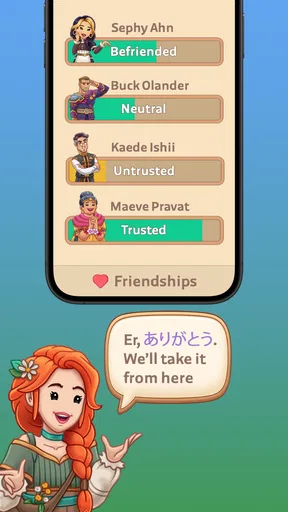
Learning a language is more fun with friends, right? Lingo Legend has a social aspect where you can join communities of learners. Whether you want to share tips, ask questions, or simply chat with fellow learners, the community feature is a great way to stay engaged and motivated. It’s amazing how supportive and encouraging the community is—everyone’s cheering each other on!
Plus, the app regularly hosts events and competitions. It’s a fantastic way to test your skills and see how you stack up against others. Trust me, nothing beats the thrill of winning a language duel!
Social features are optional, not a study requirement
I’d approach the community as an extra, not as the reason to install the app. If I’m learning for personal travel or simply enjoy a solo routine, I can decide whether joining a group adds anything. If I do take part, I’d keep posts focused on language questions and avoid sharing personal details I wouldn’t want visible to other learners. A friendly setting can make practice feel less solitary, but it still makes sense to be selective about what I share and how much time I spend browsing.
Competition can be energizing for one person and distracting for another. I’d use an event as a short-term nudge when I want a reason to practise, then return to my own priorities rather than comparing progress with people whose schedules and starting points I don’t know. If a leaderboard makes me rush through material, it is no longer helping. Choosing not to participate is a perfectly reasonable way to keep the learning experience calm and personal.
Questions I’d settle before making it a habit
Is it suitable for a complete beginner? The game-based setup may make starting less intimidating, and the listed languages include Spanish, French, Japanese, and Korean. I’d still judge the first activities by whether the explanations make sense to me, since a beginner benefits most when the material feels clear rather than merely entertaining. For an experienced learner, I’d treat it as a way to refresh or add vocabulary, not assume it will match an advanced course’s depth.
Do I need to pay to try it? The app is free, while optional in-app items have a wide stated price range. I’d begin with the free experience and read each purchase screen carefully before deciding whether an item is worth it. Can it replace speaking practice? I wouldn’t rely on it alone for that; I’d add real conversation or another speaking-focused resource if fluent interaction is my aim. And if I prefer a strictly linear curriculum, I’d compare the game’s path with a course before making it my main study plan.
Final Thoughts
So, is Lingo Legend worth downloading? Absolutely! If you’re looking for a fun, interactive, and effective way to learn a new language, this app is definitely worth a try. It’s perfect for both beginners and advanced learners who want to spice up their routine.
With its engaging gameplay, smart features, and supportive community, Lingo Legend Language Learning transforms the language learning experience into a delightful adventure. So, grab your phone, hit download, and start your journey to becoming a language legend!
My cautious recommendation
I’d recommend giving it a try if a game is more likely to get you practising than a stack of flashcards, and if you’re comfortable making your own choices about optional purchases and social participation. I’d be more cautious about relying on it as a complete course or assuming that a high average rating guarantees a fit for my specific goals. The best test is whether I can use it consistently, remember something beyond the screen, and keep the experience within the time and spending limits I chose.
Overall, I see it as a playful supplement with a clear appeal: it can make vocabulary practice feel more inviting, especially in short bursts. I’d pair it with more structured study when I need a defined progression, and with conversation or listening practice when those are the skills I’m trying to build. If that balance sounds right for you, it’s a reasonable app to explore; if you want a formal course with tightly specified outcomes, I’d start with a course built for that instead.
Verdict
Strengths of Lingo Legend Language Learning
- Engaging game mechanics enhance learning.
- Wide variety of languages available.
- Regular updates with new content.
- Offline mode for convenient practice.
- Interactive challenges boost retention.
Limitations of Lingo Legend Language Learning
- In-app purchases can be costly.
- Limited free content availability.
- Requires stable internet for updates.
- Ads may disrupt the learning flow.
- Some features locked behind paywall.
Similar Picks in This Category
View All
Duolingo: Language Lessons
Duolingo4.7

Google Classroom
Google LLC2.8

Unacademy: Learn & Crack Exams
Unacademy3.2

Bible App for Kids
Life.Church4.4

Cake - Learn English & Korean
Cake Corp.4.7

Brainly: AI Homework Helper
Brainly4.5
Frequently Asked Questions
What is Lingo Legend Language Learning?
Lingo Legend Language Learning is an app designed to make language acquisition fun and engaging. It combines traditional language learning techniques with gamified elements, allowing users to learn new languages through interactive challenges and quests. The app supports multiple languages and caters to various learning levels, from beginners to advanced users.
How does Lingo Legend ensure effective language learning?
Lingo Legend utilizes a blend of gamification and proven language learning methodologies. The app incorporates vocabulary building, grammar exercises, and interactive dialogues within an engaging game format. This combination keeps users motivated and reinforces learning through repetition and context, making it effective for long-term retention.
Can I use Lingo Legend offline?
Yes, Lingo Legend offers offline capabilities, allowing users to continue their language learning journey without an internet connection. This feature is especially useful for those who travel frequently or have limited internet access, ensuring that learning can happen anytime and anywhere without interruptions.
What languages are supported by Lingo Legend?
Lingo Legend supports a wide range of languages, including popular options like Spanish, French, German, Chinese, and Japanese. The app regularly updates to include more languages, catering to a diverse user base and providing opportunities for users to expand their linguistic capabilities across different cultures.
Is Lingo Legend suitable for all age groups?
Lingo Legend is designed to be user-friendly and engaging for a wide range of age groups. While it targets both young learners and adults, the app's gamified approach makes it particularly appealing to younger audiences, encouraging them to learn through play. However, its comprehensive curriculum also benefits adult learners seeking to improve their language skills.
